The Best Citrus Varieties to Grow at Home
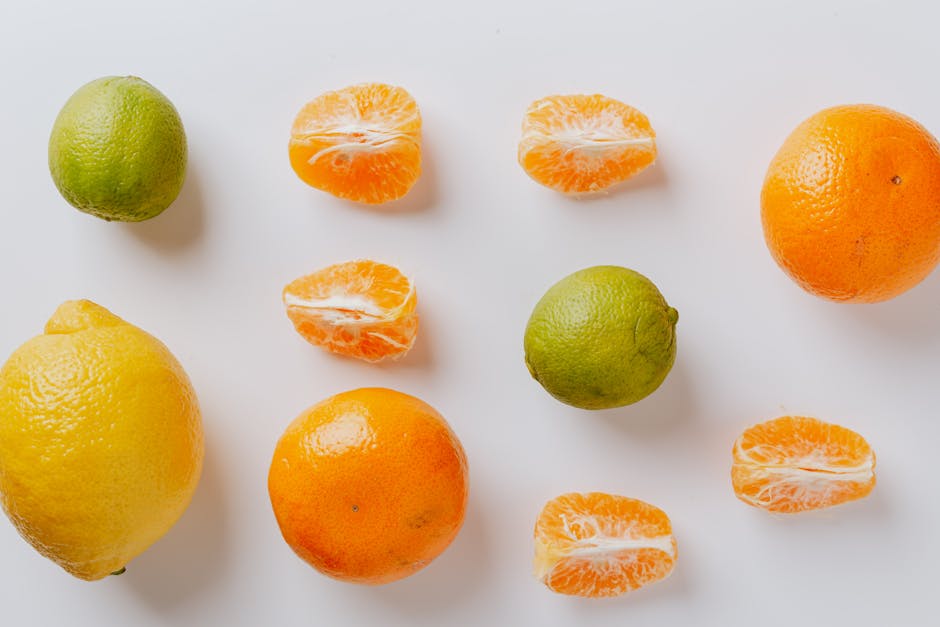
Not all citrus varieties perform equally in British growing conditions. Understanding which types suit the UK climate helps you choose plants more likely to thrive and produce fruit reliably. Some varieties are far more forgiving of cooler temperatures and shorter growing seasons than others.
Satsumas and clementines are excellent choices for UK gardeners. These mandarins are relatively hardy, tolerating temperatures down to around -3°C once established, and they fruit prolifically. They're also naturally seedless or nearly seedless, making them perfect for eating fresh. Grow them in containers for flexibility, moving them to shelter during the coldest months.
For true lemons, Meyer and Eureka perform best. Meyer lemons are slightly sweeter and more cold-tolerant, whilst Eureka produces the classic sharp lemons ideal for cooking and drinks. Both are available as dwarf varieties suitable for pots.
Limes are trickier in the UK climate. Persian limes need consistent warmth and struggle outdoors; however, calamansi limes are more forgiving and produce small, intensely flavoured fruits year-round indoors.
Other reliable options include:
- Blood oranges—beautiful fruit with dramatic red flesh, reasonably hardy
- Bitter oranges (Seville)—excellent for marmalade, very hardy
- Pomelo—large, mild citrus requiring warmth but worth the effort
- Yuzu—trendy Japanese citrus, surprisingly cold-tolerant, fragrant flowers
Dwarf and grafted varieties are particularly valuable for UK gardeners. These reach manageable sizes and fruit much earlier than seed-grown plants, sometimes producing within two years. Look for trees grafted onto dwarfing rootstocks, which are better suited to container growing.
Consider your growing conditions carefully. South-facing conservatories or greenhouses extend the possibilities significantly. If you only have outdoor space, stick with satsumas and hardy orange varieties. Indoor growing works well for more tender types, providing you maintain humidity and ensure strong light levels.
Cross-pollination isn't usually necessary for citrus, but having multiple varieties can increase yield. More importantly, select varieties you'll actually enjoy eating, ensuring your investment in care and space yields fruit you'll use regularly.